
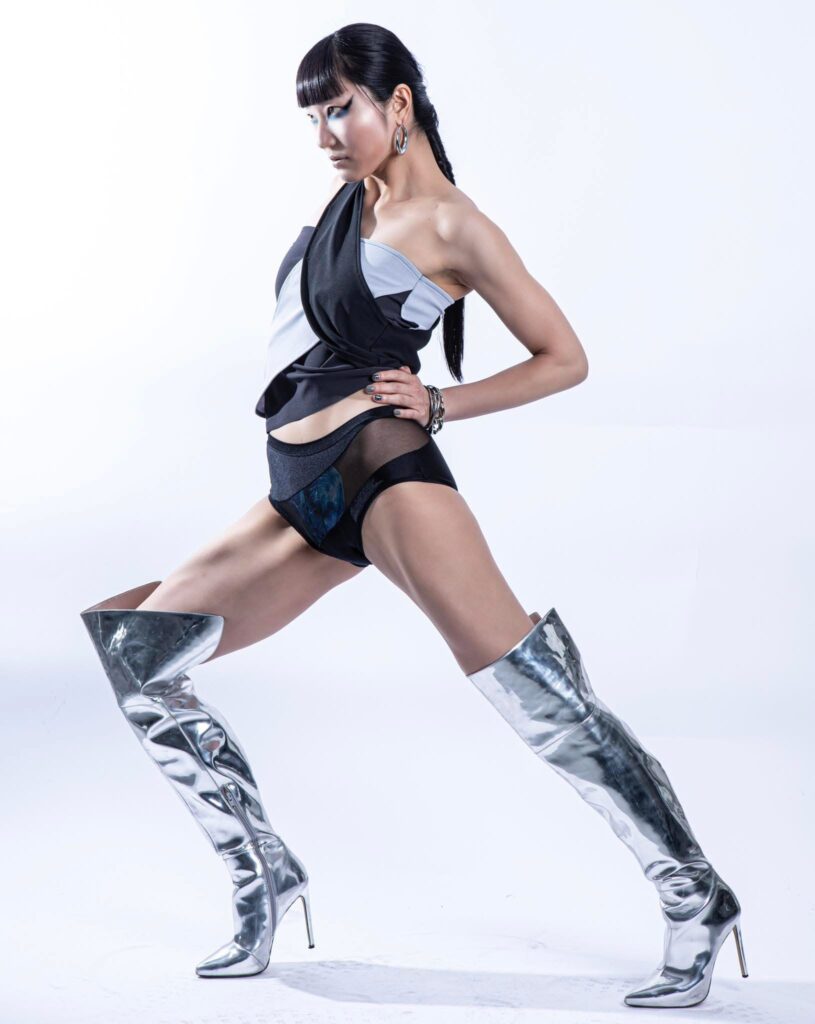
Denim-inspired shorts, black frilled designs and garments decorated with sequins appeared on a runway at the Osaka World Expo in Japan. They were proposals for the future of adult diapers and garments used with absorbent pads—a collection that invited people to imagine more choice in something worn close to the body.
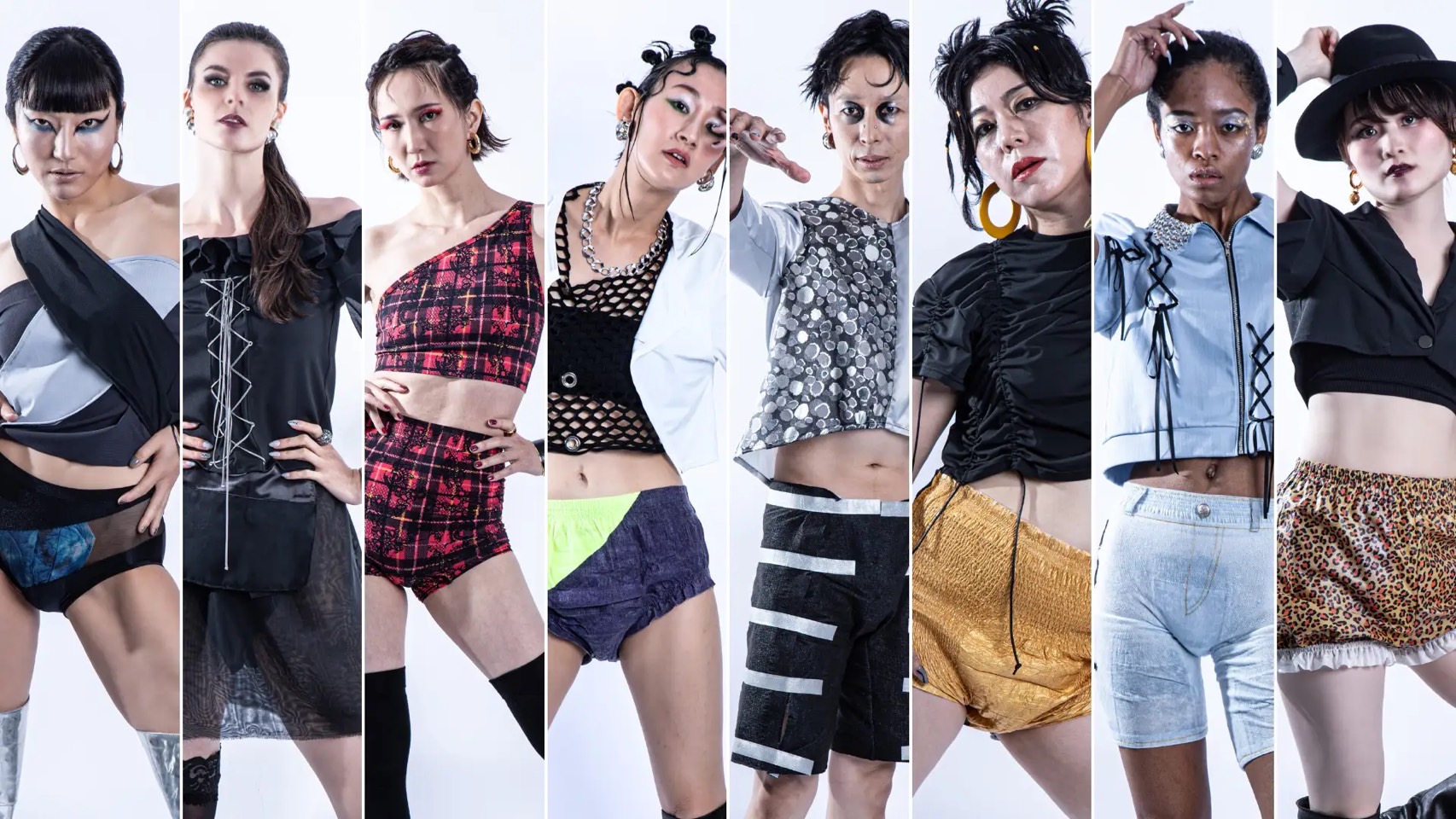
Held on June 24, 2025, O-MU-TSU WORLD EXPO brought together seven diaper manufacturers and one underwear manufacturer. The event combined a fashion show with a public discussion, presenting 31 designs on 31 models from a range of backgrounds. Its ambition was to make room for fashion, self-expression and participation in the lives of people who use diapers. Organizer’s event page.
The event was organized by the Japan Welfare and Medical Fashion Association. Hiroshi Yagi, the editor of World Diaper Organization, helped plan and run it while serving as deputy head of the organizing association.
Watch the runway video


A fashion show with a purpose
“Omutsu” means diaper in Japanese. The event used that familiar word to introduce a collection of designs created around a ROCK & MODE theme. Models of different ages, body types, nationalities and physical circumstances presented the garments, making the people wearing them an essential part of the collection.
The accompanying talk show featured a well-known Japanese television personality and an astronaut. The format brought perspectives from different fields into a public discussion about diapers.
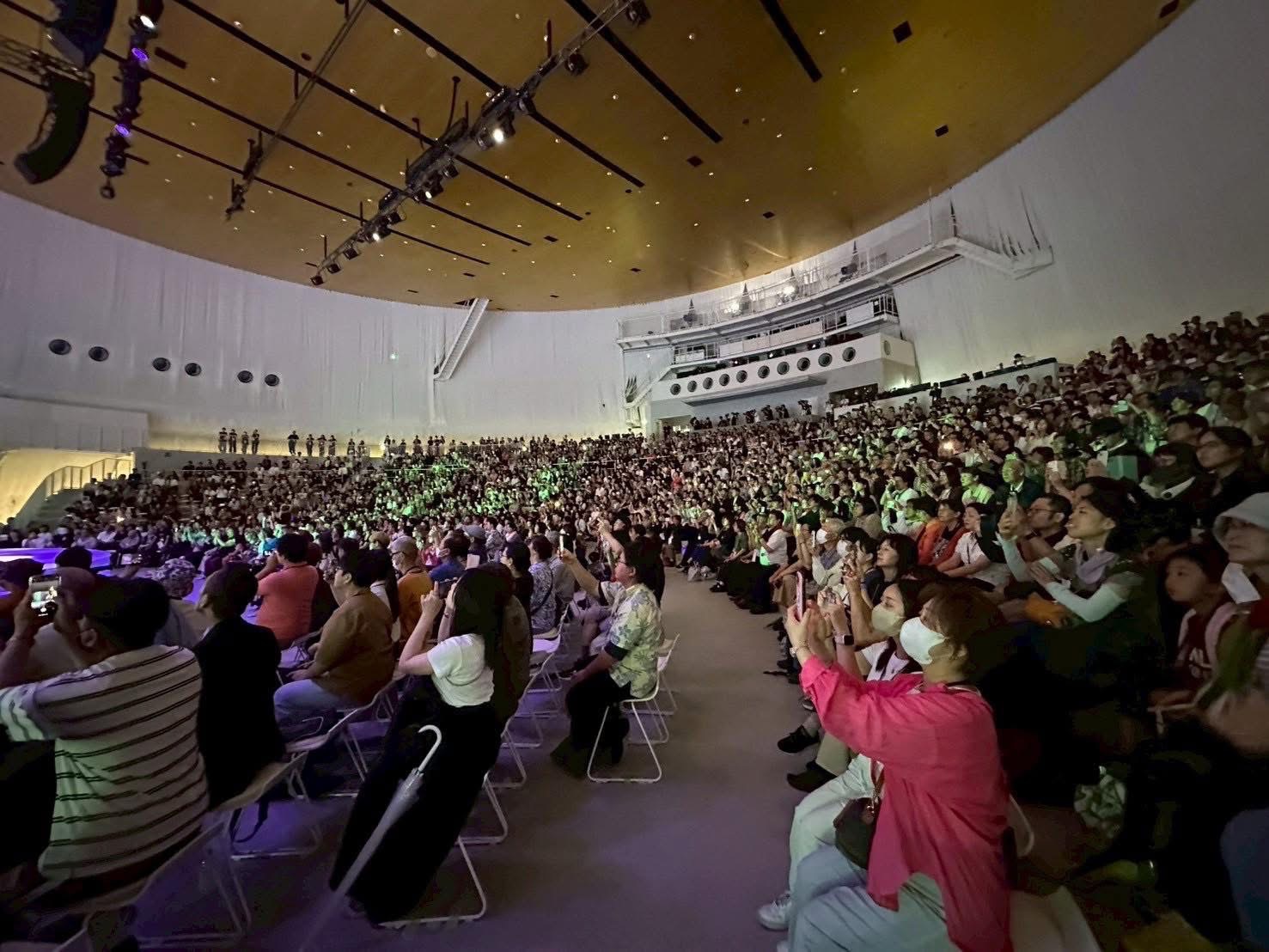
The organizer reports that the 1,900-person venue was fully booked in advance, that 52 organizations supported the event and that more than 100 media outlets covered it. The scale of the collaboration gave diaper design a place in a public conversation at the World Expo.
What could an adult diaper look like?
Familiar clothing details: denim and frills
Daio Paper, the Japanese company behind Attento, developed three designs: denim styling with rear-pocket details and yellow stitching, a black design with frills around the hem, and a burgundy-coloured design.
Turning a design sketch into an absorbent garment
Kao worked with the event’s producer to create three special designs by hand. Its report describes repeated prototypes and collaboration across departments. That process brought the knowledge of an absorbent-product developer into contact with a designer’s ideas about appearance. Kao states that these particular event designs were not for sale. Kao’s event report.
Bringing underwear design into the collection
Wacoal contributed printed and sequinned garments designed to hold a urine-absorbing pad in place, as well as a work made with university students using leftover materials and lace. For readers unfamiliar with this product type, the fabric garment holds the pad; it does not itself replace the separate absorbent pad. Wacoal’s contribution showed another way clothing design can enter the conversation about continence products. Wacoal’s account of the collection.
The participating companies were Kao, Koyo, Hakujyuji, Daio Paper, Nippon Paper Crecia, Unicharm, LiveDo Corporation and Wacoal. Traditional craft companies also took part. Full participant information from the organizer.
Giving the wearer a say
The collection raises a question that care professionals and manufacturers can take back to everyday work: how often does the person wearing the product get to choose its appearance?
A person may care about colour, the shape of a garment, how it works with their clothes or how familiar it feels. These preferences can sit alongside practical requirements when products are discussed. Asking about them gives the wearer a voice in a decision that concerns their own body and daily routine.
Some people may enjoy expressive designs. Others may value a simple, discreet garment that stays unnoticed under clothing. Offering choice means making room for both. The person wearing the product should be able to express what they prefer.
An idea for the world to explore
These were experimental runway proposals. LiveDo’s participation announcement described a collection of specially designed work. The photographs therefore should not be read as a list of products available to buy. Developing an idea for everyday use brings further questions about comfort, handling, production and affordability.
For the diaper industry, the next step could be to involve people with different bodies, routines and tastes in exploring those questions. For care professionals, the event offers a starting point for listening to what people want from products they wear.
O-MU-TSU WORLD EXPO presented a Japanese vision of a future with more choices. Its lasting relevance is the invitation to keep asking how adult diapers can fit the lives, preferences and identities of the people who use them.
Watch and read more: NHK WORLD-JAPAN’s English report brings the event to an international audience. It was published on October 9, 2025; the event took place on June 24, 2025.